An Endangered Species Act Exemption Reveals Distrust of Process, Congress, and Courts
A short article by Andrew Mergen and Erika Kranz in the Yale Journal on Regulation and ABA Section of Administrative Law & Regulatory Practice blog.
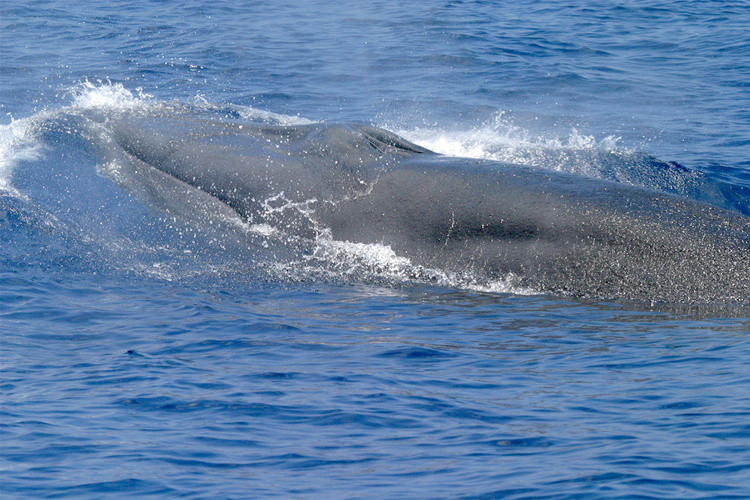
What will the decision to exempt all oil and gas activities in the Gulf of Mexico from the Endangered Species Act look like?
“This is a departure from what people have thought about executive authority on the right and the left for a long time,” Mr. Mergen said. “And it’s these little things that actually is a death by a thousand cuts to the institution.”
“No one thought the Clean Air Act provided the best template for addressing climate change,” said Richard Lazarus, a Harvard Law School professor and author of “The Rule of Five” book on the Massachusetts vs. EPA case. “It was clear there was authority, but the hope was that it would help prompt new legislation.”
Analysis breaking down EPA's arguments in the final rule, exploring potential legal vulnerabilities in litigation, and what this all could mean for regulating GHG emissions in the future.
Jody Freeman in Yale Environment 360: Environmentalists are challenging the EPA’s repeal of the “endangerment finding,” which empowered it to regulate greenhouse gases. Whether or not the action holds up in court, now is the time to develop climate strategies that can be pursued when the political balance shifts.
Andrew Mergen on how now is the time for Congress to form a bipartisan commission to rethink and renew the laws, policies, and agencies governing America’s public lands.